
Change is inevitable in ministry—team shifts, schedule changes, leadership transitions.
What defines us isn’t whether change comes, but how we lead through it.

September often feels like a reset. New seasons, new rhythms, fresh focus.
But vision doesn’t automatically renew with the calendar—it must be stewarded.

Culture isn’t built on platforms—it’s built in rooms most people never see.
August often brings smaller teams, lighter attendance, and quieter moments. But those moments matter more than we think.

July often marks a quiet turning point. The year is no longer new, but it’s not finished either.
For worship leaders, this is a sacred opportunity to pause—not to quit or coast, but to reflect.
Before adjusting strategies, God often invites us to examine our hearts.

Summer often brings lighter schedules—but it can also reveal accumulated fatigue.
By June, many worship leaders are running on empty, even if things look “fine” on the surface.
God never intended leadership to be sustained by adrenaline alone.

By May, the excitement of the new year has faded.
Easter celebrations have passed.
Summer is approaching.
And ministry can start to feel… routine.
But Scripture reminds us that God often does
His deepest work in the ordinary.
Faithfulness in the unseen, uncelebrated moments is where lasting fruit is formed.

Easter is a season of celebration—resurrection, new life, and victory. But before the empty tomb, there was a cross. Before resurrection power, there was surrender. For worship leaders and creatives, that truth reminds us that what we lay down matters just as much as what we lift up.
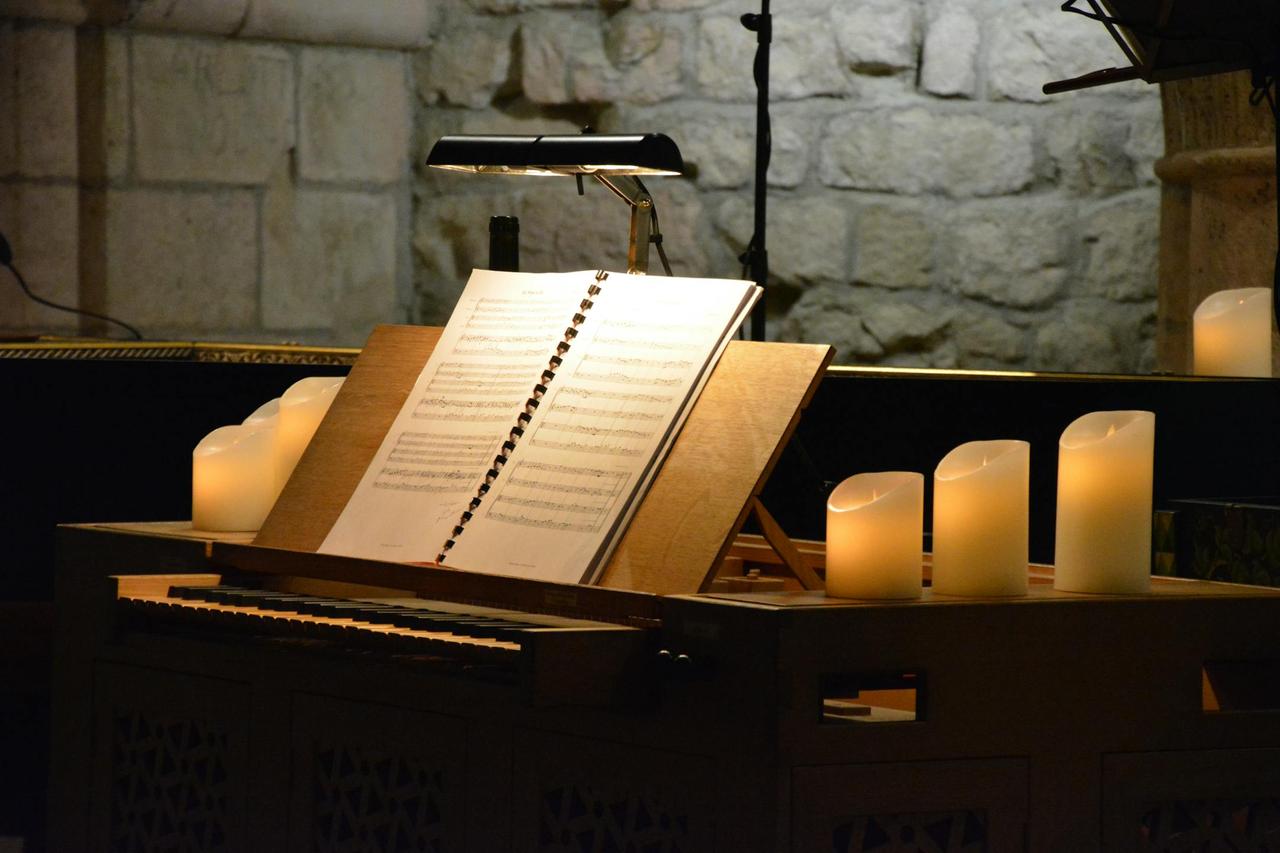
When we think of powerful worship, our minds often go to spontaneous moments—the song that breaks out unexpectedly, the prayer that shifts the atmosphere.
But preparation is worship too. God is honored not just in what happens on stage, but in the unseen hours of planning, practicing, and stewarding the details that serve His people.
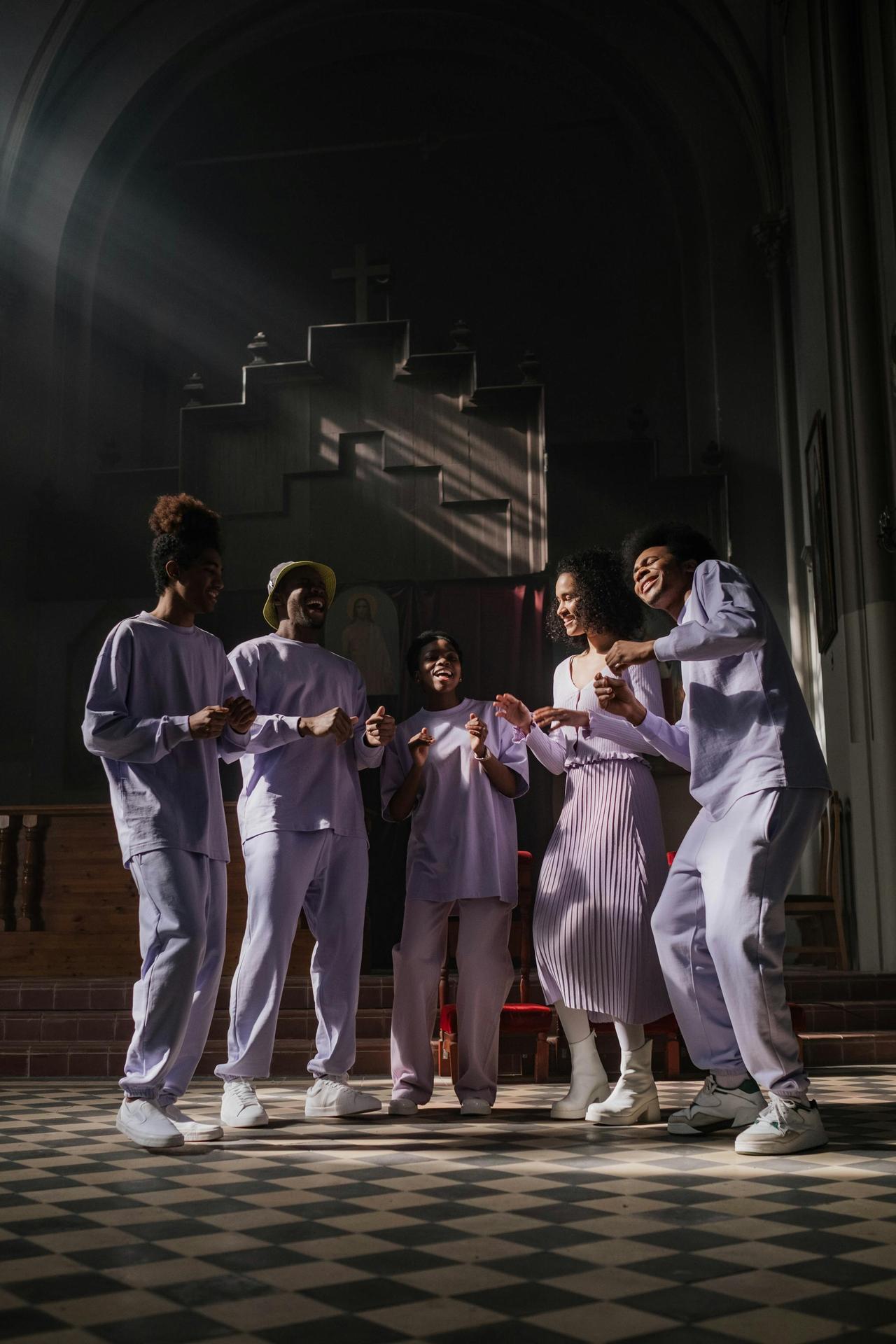
February is often a month filled with talk of love. For worship and creative teams, it’s the perfect reminder that leadership isn’t just about tasks—it’s about relationships. Jesus didn’t just give commands; He loved His disciples. As leaders, we’re called to do the same.

The start of a new year often brings renewed vision, energy, and momentum—but if we’re not careful, it can also bring pressure to perform.
Craig Groeschel reminds us, “Success isn’t what you do in public—it’s what you practice in private.”
Jeremy Riddle echoes that intimacy with God is what fuels powerful ministry.
